Barcelona for First-Timers: Which Neighborhood to Stay In (And Why It Changes Your Whole Trip)
Not sure where to stay in Barcelona? We rank every neighborhood for first-timers — Eixample, Gothic Quarter, Barceloneta, Gràcia — with honest pros, cons, and price ranges.
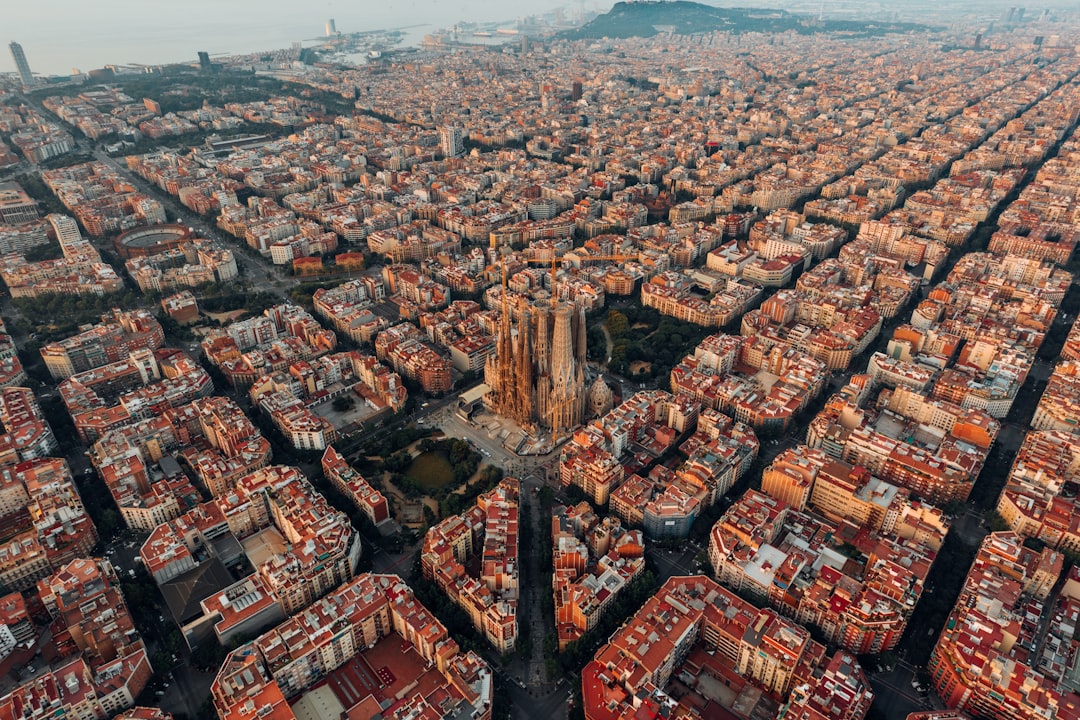
Barcelona is one of those cities that rewards the curious and quietly punishes the underprepared. Book the wrong neighborhood and you'll spend your mornings fighting crowds before 9am, overpay for a mediocre breakfast, and wonder why everyone else seems to be having a better time than you. Book the right one and the city hands itself over — slowly, generously, on its own terms.
If it's your first visit and you're trying to figure out where to base yourself, this guide is for you. Not a roundup of every option, but an honest breakdown of the neighborhoods that actually make sense for first-timers — what they cost, what they feel like, and what you'll love (or regret) about each.
Why Your Neighborhood Choice Matters More in Barcelona Than Most Cities
Barcelona is geographically compact, but it's not uniform. The difference between staying in El Born and staying in Barceloneta isn't just a 10-minute walk — it's a fundamentally different experience of the city. One is terracotta-walled wine bars and local tapas joints. The other is sunscreen, sangria jugs, and lines for everything.
The metro is excellent (a single ride costs €2.40, and a T-Casual 10-trip card runs around €12.15), so you can reach almost anywhere quickly. But where you *wake up* — the morning coffee spot, the noise level at 2am, the vibe of your street — that's shaped entirely by which barri you choose.
Eixample: The Smartest Base for Most First-Timers
If you're visiting Barcelona for the first time and want one neighborhood that balances access, walkability, and real local life, Eixample is it. This is the grid-pattern district Ildefons Cerdà designed in the 19th century — all wide octagonal intersections, tree-lined boulevards, and modernista architecture hiding in plain sight. La Sagrada Família is here. Casa Batlló is here. Casa Milà (La Pedrera) is a 15-minute walk.
But Eixample isn't just a museum district. The left side of Eixample (Esquerra de l'Eixample) has become one of the city's best eating neighborhoods over the past decade — Carrer del Consell de Cent and Carrer de Muntaner are lined with wine bars, creative tapas spots, and the kind of neighborhood restaurants that don't show up on most tourist itineraries.
What to budget: Mid-range hotels in Eixample typically run €110–€180 per night in spring and early summer. Boutique options — think converted modernista apartment buildings with maybe 12 rooms — sit around €130–€160. Breakfast at a bar counter (café amb llet and a croissant) will cost you €3–€4. Dinner at a proper sit-down restaurant: €25–€40 per person with wine.
Best for: First-timers who want architecture access, walkable streets, and good eating without the tourist-trap density of the old city.
El Born: The Neighborhood That Gets Under Your Skin
El Born (officially part of Sant Pere, Santa Caterina i la Ribera) is where a lot of repeat Barcelona visitors wish they'd stayed on their first trip. It's denser and older than Eixample — medieval street plan, narrow lanes, buildings that lean slightly toward each other overhead. The Basílica de Santa Maria del Mar anchors the southern end. The Mercat de Santa Caterina (a less-touristed alternative to La Boqueria, with a genuinely spectacular mosaic roof) is a five-minute walk north.
El Born has a particular energy in the evenings. Carrer del Rec and the streets around Passeig del Born fill up with locals from around 8pm — aperitivo hour is real here — and the restaurants stay busy until midnight without feeling performative about it.
What to budget: Accommodation in El Born skews slightly pricier than Eixample for the same quality, because demand is high and the buildings are small. Expect €140–€200 per night for a well-reviewed mid-range hotel or apartment. The tradeoff: you'll spend less on transport because almost everything you want to see in the old city is walkable.
Best for: Travelers who want to feel *in* the city rather than adjacent to it. Couples, solo travelers, and anyone who prioritizes neighborhood atmosphere over square footage.
Gràcia: For First-Timers Who Want Something Quieter
Gràcia sits just north of Eixample and used to be a separate village — you can still feel it. The streets are narrower, the plazas are smaller and more intimate (Plaça del Sol, Plaça de la Vila de Gràcia), and the neighborhood runs on a rhythm that's distinctly its own. It's where a lot of the city's artists, writers, and long-term expats have landed.
Park Güell — Gaudí's extraordinary hillside park — is a 20-minute walk uphill. The Fontana metro stop puts you on L3, which connects directly to Las Ramblas, the Eixample, and the waterfront.
One practical note: if you're visiting in August, Gràcia hosts the Festa Major de Gràcia (typically the third week of August), when every street decorates itself in elaborate handmade installations and the neighborhood throws one of the best street festivals in Spain. It's extraordinary if you're there for it — and chaotic if you're not expecting it.
What to budget: Gràcia tends to offer slightly better value than El Born or central Eixample. Mid-range options run €95–€150 per night. The neighborhood also has excellent apartment rentals for travelers staying five nights or more.
Best for: First-timers who've already decided they don't need to be five minutes from La Sagrada Família and want a more residential, village-like experience.
Barceloneta: Beautiful View, Tough Tradeoff
Let's be honest about Barceloneta. The beach is real. The light off the Mediterranean in the morning is genuinely beautiful. And the chiringuitos (beach bars) serve cold Estrella Damm and grilled prawns in a way that makes the whole thing feel like a movie.
But Barceloneta is also one of the most tourist-saturated neighborhoods in the city, prices for food and drink are elevated (a beer that costs €3 in Gràcia costs €6 here), and the noise level at 1am on a Friday in July is significant. As a base for a first trip, it tends to work best for travelers who specifically prioritize beach access and are planning to spend meaningful time on or near the water.
What to budget: Hotels near the beach in Barceloneta run €150–€250 per night in peak summer, with fewer mid-range options than other neighborhoods. You're paying a location premium.
Best for: Travelers on shorter trips (3–4 days) who want a very specific Barcelona experience centered on the waterfront.
The Neighborhood You Should Probably Avoid for a First Trip
The Gothic Quarter (Barri Gòtic) looks perfect on a map — it's central, historic, and packed with things to see. And the Roman ruins, the cathedral, and the Plaça Reial are genuinely worth your time as *sights*. But as a base? The pedestrian streets are extremely crowded from morning to midnight, pickpocketing is a real concern (keep bags in front, use inside pockets), many of the restaurants cater aggressively to tourists, and noise levels in summer can make sleeping difficult.
Visit the Gothic Quarter. Don't necessarily sleep there.
How to Lock In the Right Neighborhood and Price
Once you've decided on a neighborhood, timing matters almost as much as location. Barcelona hotel prices move considerably between April and August — summer demand pushes rates up across the city, and some neighborhoods (particularly El Born and Barceloneta) see more volatility than others.
If you're planning a trip and want to see how prices are actually moving before you commit, voyAIage tracks hotel pricing trends across Barcelona neighborhoods so you can spot the windows where rates dip. It's free to use and takes the guesswork out of the "should I book now or wait?" question.
One Last Thing
Whichever neighborhood you choose, do one thing on your first morning: skip the hotel breakfast, find the nearest bar that has locals in it, and order a café amb llet and whatever's on the counter. The city will introduce itself properly from there.
Barcelona doesn't need much help being wonderful. It needs you to be in the right spot to receive it.
*Ready to map out your Barcelona trip? Head to voyAIage and generate a free itinerary built around whichever neighborhood you choose — it'll factor in your travel dates, pace, and what you actually want to see.*
Plan your trip: Calculate your trip cost → · Build your AI itinerary →
Enjoyed this? Get stories like this every week.
Travel tips, destination guides, and deals — delivered every Sunday.
Ready to plan your trip?
Let our AI create a customized itinerary based on your preferences.
Start Planning