Miami's Hidden Cuban Cafeterias and Haitian Markets: Where World Cup Fans Discover Real Caribbean Soul Food
Discover Miami's authentic Cuban cafeterias, Haitian markets, and transit secrets locals use. Your insider guide to eating and moving like a Miamian.
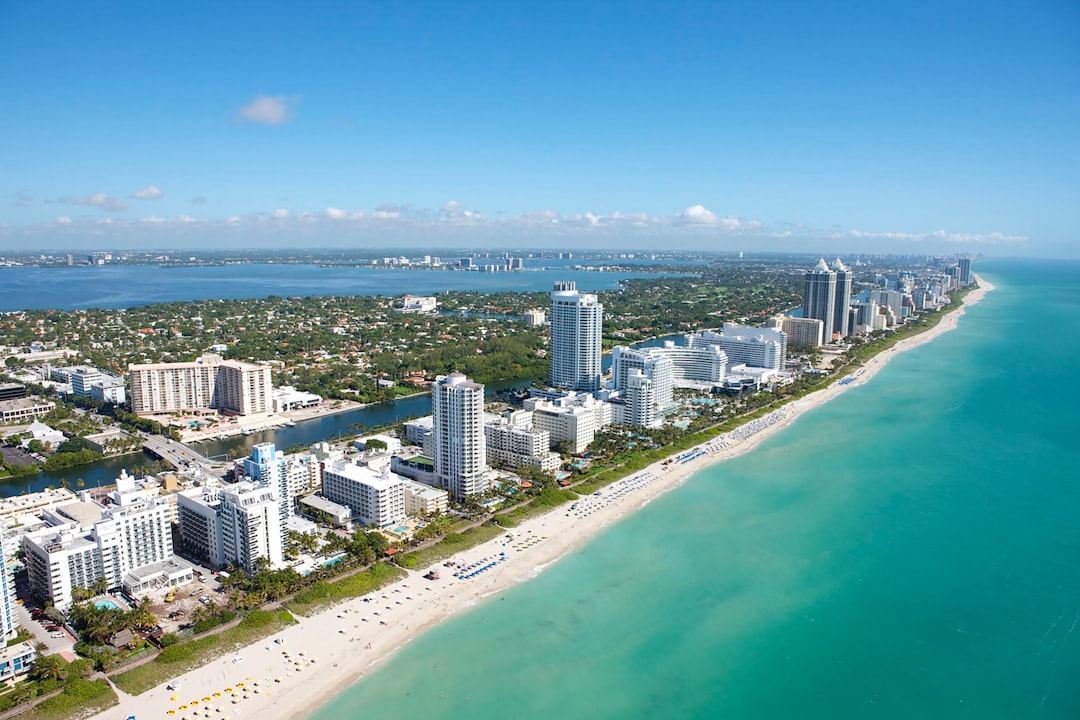
Forget South Beach's overpriced tourist traps. The real Miami – the one that feeds construction workers at 6 AM and keeps families gathering for Sunday dinner – exists in strip mall cafeterias, family-run markets, and neighborhoods where Spanish flows faster than English. As 100,000+ World Cup fans descend on Miami in 2026, here's how to eat, move, and experience this city like someone who actually lives here.
The Cuban Cafeteria Culture Tourists Never Find
Miami's soul lives in its cafeterias – not the sterile corporate chains, but the family-run spots where your cortadito comes in actual ceramic cups and the media noche is pressed on a plancha that's been seasoned by decades of use.
Versailles Restaurant (Little Havana) isn't just a restaurant; it's Miami's unofficial Cuban town hall. Politicians campaign here. Families celebrate quinceañeras here. And the vaca frita (shredded beef) is worth the inevitable wait. Skip the weekend dinner rush – Tuesday lunch is when locals actually go.
Sergio's Restaurant scattered across Miami serves the kind of Cuban comfort food that keeps taxi drivers fueled through 12-hour shifts. Their maduros (sweet plantains) are caramelized perfection, and a full meal costs less than one South Beach mojito.
But here's the insider move: venture into the actual cafeterias. El Palacio de los Jugos isn't just about fresh juice (though their mamey shake will ruin you for all other smoothies). Their lunch counter serves authentic Cuban sandwiches pressed exactly how your abuela would make them – if your abuela happened to be Cuban.
Little Haiti's Market Magic
While everyone Instagram-poses in Wynwood, Little Haiti quietly serves some of Miami's most soulful food. Chef Creole specializes in Haitian griot (fried pork) that falls apart at first bite, served with rice and beans that taste like they've been simmering since sunrise.
Caribbean Marketplace on Northeast 2nd Avenue feels like stepping into Port-au-Prince. Vendors sell everything from fresh breadfruit to scotch bonnet peppers hot enough to make grown men weep. The prepared food stalls serve Haitian patties (think Jamaican patties' spicier cousin) for under $3.
For World Cup fans wanting something completely different, try Tap Tap Restaurant. The Haitian artwork covering every inch of wall space tells stories while you wait for conch in Creole sauce that'll make you question everything you thought you knew about Caribbean food.
The Transit Truth Locals Know
Miami's public transportation gets unfairly dismissed, but locals navigate this city using a combination of Metrorail, buses, and strategic ride-sharing that most tourists never figure out.
Metrorail Strategy: The system connects Miami International Airport directly to downtown, then south to neighborhoods like Coral Gables. But here's what the maps don't tell you – the Government Center station connects to Metromover, a free automated system that loops through downtown and Brickell. Use this for short hops instead of expensive ride-shares.
Bus Routes Locals Love: The 150 bus runs from Miami Beach to downtown along major arteries. It's not glamorous, but it's reliable and costs $2.25 versus $20+ for ride-sharing during peak times. Route 238 connects Little Haiti to downtown – perfect for that market exploration.
The Ride-Share Reality: Uber and Lyft surge pricing in Miami during major events (like, say, a World Cup) can hit 4x normal rates. Download the Miami-Dade Transit app and learn the bus routes to Hard Rock Stadium. Your wallet will thank you.
Neighborhood Navigation for Football Fans
Coconut Grove offers a middle ground between tourist Miami and local Miami. Greenstreet Cafe serves solid brunch with people-watching opportunities, while Peacock Park hosts pickup soccer games where you might catch Colombian, Argentine, or Brazilian fans practicing before matches.
Coral Gables feels like a different city entirely – Mediterranean architecture, tree-lined streets, and restaurants where Miami's professional class actually eats. Ortanique on the Mile serves Caribbean fusion that respects both cultures without the fusion confusion that plagues most attempts.
Aventura draws locals for its malls and Venezuelan arepa joints. Doggi's Arepa Bar serves cachapas (sweet corn pancakes) stuffed with cheese that'll make Venezuelan fans in town for the Cup feel homesick in the best way.
Weather Wisdom From Someone Who Sweats Here Year-Round
June 2026 World Cup matches in Miami mean afternoon thunderstorms that arrive like clockwork around 3 PM. Locals plan around this. Morning activities, late afternoon indoor refuge, evening adventures once the air clears.
The humidity isn't just uncomfortable – it's physically exhausting if you're not prepared. Drink water constantly. Seek air conditioning regularly. And invest in good antiperspirant, because Miami summers test everyone's confidence.
Where Locals Actually Stay During Big Events
Miami Beach hotels during World Cup will price themselves into absurdity. Smart locals recommend Coral Gables properties like the Hyatt Regency, which offers shuttle service to Metrorail and reasonable rates compared to beachfront properties.
Airport area hotels make sense if you're flying in for single matches. The Marriott Miami Airport connects directly to the MIA Mover, which connects to Metrorail, which connects to buses heading to Hard Rock Stadium. It's not sexy, but it's logical.
Airbnb in residential neighborhoods like Pinecrest or Kendall offers pool access, kitchen facilities for picnic prep, and insight into how Miamians actually live – which is mostly in suburban developments with excellent Cuban delivery options.
The Real Miami Experience
Miami's magic isn't in its Instagram-famous spots – it's in the cultural collision that creates something uniquely American. It's hearing three languages in a single conversation. It's salsa music drifting from apartment windows while Brazilian funk pounds from passing cars.
For World Cup fans, this means embracing the chaos. Yes, traffic is terrible. Yes, everything costs more than expected. But where else can you eat Haitian griot for lunch, catch a pickup soccer game with Colombian immigrants, and end the night dancing to Cuban jazz – all while wearing your national team jersey?
The key to Miami is accepting that it's not trying to be anywhere else. This is America's Caribbean city, complete with all the beautiful complications that identity brings.
Planning Your Miami World Cup Adventure
Navigating Miami's neighborhoods, restaurant scenes, and transportation options while juggling World Cup match schedules requires serious coordination. That's where tools like voyAIage become invaluable – you can plan detailed itineraries that account for Miami's unique rhythm, from morning cafeteria stops to afternoon thunderstorm refuges to evening cultural exploration.
Ready to experience Miami beyond the tourist facade? Start planning your authentic Miami adventure and discover why locals never want to leave this beautifully chaotic city.
Plan your trip: Calculate your trip cost → · Build your AI itinerary →
Enjoyed this? Get stories like this every week.
Travel tips, destination guides, and deals — delivered every Sunday.
Ready to plan your trip?
Let our AI create a customized itinerary based on your preferences.
Start Planning