Krakow vs Prague: Which Central European Gem Should You Visit in 2026?
Can't choose between Krakow and Prague? Compare costs, food, culture, and hidden gems to decide which Central European beauty deserves your 2026 trip.
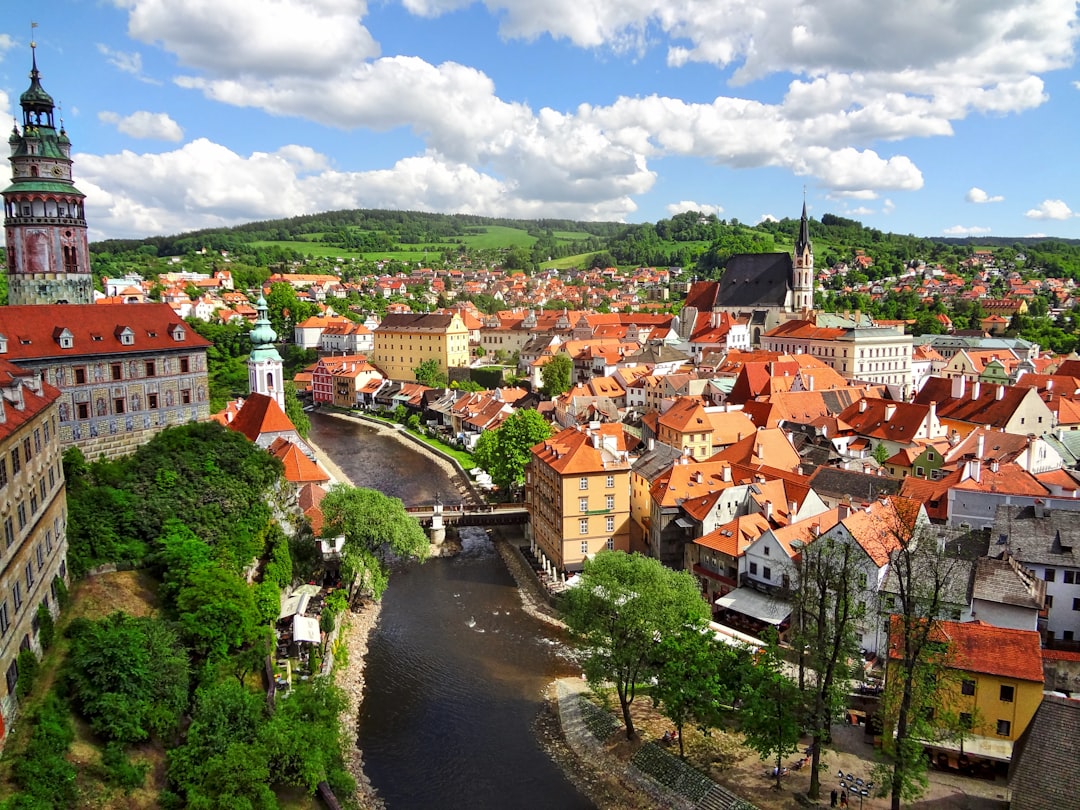
Standing at the crossroads of Central Europe, two cities beckon with their medieval charm, rich history, and surprisingly affordable prices: Krakow and Prague. Both promise cobblestone streets, stunning architecture, and cultural experiences that rival Western Europe at a fraction of the cost. But which one deserves your precious vacation days?
After spending weeks in both cities and countless conversations with fellow travelers, I've learned that the choice isn't just about comparing castles and churches. It's about understanding what kind of traveler you are and what memories you want to create. Let me walk you through the real differences that matter.
The Money Talk: Your Budget Goes Further Than You Think
Prague: The Pricier (But Still Affordable) Choice
Prague has shed its post-communist bargain destination reputation, but it's still incredibly wallet-friendly compared to Paris or Amsterdam. Expect to spend around $60-80 per day for mid-range travel. A hearty Czech lunch with beer runs $8-12, while hotels in the city center average $85-120 per night.
The Czech crown has strengthened over recent years, making Prague slightly more expensive than it was a decade ago. However, the city's tourism infrastructure means you'll find options at every price point, from backpacker hostels to luxury hotels overlooking the Vltava River.
Krakow: The Budget Traveler's Dream
Krakow remains one of Europe's best-kept budget secrets. You can comfortably explore the city on $45-65 per day, including accommodation, meals, and attractions. Traditional Polish meals cost $6-10, and excellent hotels in the Old Town start around $65 per night.
The Polish złoty gives international visitors excellent value, especially for food and local experiences. A craft beer in Kazimierz costs half what you'd pay in Prague's tourist zones.
Food Culture: Dumplings vs. Goulash (And So Much More)
Prague's Hearty Czech Cuisine
Czech food is comfort food perfected over centuries. Think massive portions of roasted pork knuckle, creamy goulash, and svíčková (beef sirloin in cream sauce) that'll keep you satisfied for hours. The real star? Czech beer culture. This is the birthplace of Pilsner, and locals drink more beer per capita than anywhere else on Earth.
Don't miss the traditional beer halls like U Fleků (brewing since 1499) or the trendy craft beer scene in Vinohrady. Prague's food scene has evolved beyond traditional fare, with excellent Vietnamese pho (thanks to a large Vietnamese community) and innovative restaurants earning international recognition.
Krakow's Pierogi Paradise
Polish cuisine in Krakow centers around soul-warming dishes perfect for the city's crisp climate. Pierogi (dumplings) come in dozens of varieties – from classic potato and cheese to creative modern fillings. Try bigos (hunter's stew), kotlet schabowy (breaded pork cutlet), and zapiekanka (open-faced baguette pizza) from street vendors.
Krakow's Jewish Quarter, Kazimierz, offers incredible Jewish cuisine alongside Polish classics. The milk bars (bar mleczny) serve authentic, cafeteria-style Polish food at prices that seem too good to be true.
Architecture and Atmosphere: Gothic vs. Baroque
Prague: The City of a Hundred Spires
Prague's skyline is pure fantasy – a mix of Gothic, Renaissance, and Baroque architecture that looks like it was designed by a fairy tale committee. The Charles Bridge at sunrise, Prague Castle looming over the city, and the Astronomical Clock drawing crowds every hour create an almost theatrical atmosphere.
The city feels grand and romantic, with wide squares and imposing buildings that speak to its role as a former imperial capital. However, this beauty comes with crowds, especially in summer when the Old Town Square can feel like a medieval theme park.
Krakow: Medieval Authenticity
Krakow's Main Market Square (Rynek Główny) is Europe's largest medieval square, surrounded by colorful townhouses and anchored by the Gothic St. Mary's Basilica. The city feels more intimate than Prague, with narrow streets perfect for wandering and discovering hidden courtyards.
The atmosphere is more lived-in and authentic. Locals still use the Old Town for daily life, not just tourists. The flower market, traditional cafes, and horse-drawn carriages create a romantic ambiance without feeling manufactured.
Cultural Experiences: History That Hits Different
Prague's Complex Past
Prague tells the story of Central Europe through its streets – from medieval times through the Habsburg Empire, Nazi occupation, communist rule, and the Velvet Revolution. The Museum of Communism offers insight into recent history, while Prague Castle contains centuries of Czech culture.
The city's cultural scene thrives with world-class classical concerts, innovative theater, and art galleries. Prague Spring (the music festival, not the political movement) attracts international performers, and the city's literary tradition continues in cozy bookshops and cafes.
Krakow's Profound History
Krakow served as Poland's capital for over 500 years, and this royal heritage permeates every corner. Wawel Castle and Cathedral house Polish kings and national treasures. But Krakow also confronts darker history head-on – Auschwitz-Birkenau, just an hour away, provides one of history's most important lessons.
The Jewish Quarter's renaissance tells a story of cultural revival, with synagogues, museums, and restaurants celebrating Jewish heritage. Krakow's universities (including one of Europe's oldest) create a youthful energy that balances the weight of history.
Day Trip Adventures: Beyond the City Walls
From Prague
Cesky Krumlov, a UNESCO World Heritage town, sits two hours south – imagine Prague shrunk to village size. Kutná Hora offers medieval bone churches and silver mining history. For nature lovers, Bohemian Switzerland National Park provides hiking trails and sandstone formations.
From Krakow
The Auschwitz-Birkenau memorial requires emotional preparation but offers essential historical perspective. Wieliczka Salt Mine creates an underground wonderland of salt sculptures and chambers. The Tatra Mountains, just two hours south, provide excellent hiking and Slovakia's mountain culture.
The Verdict: Which City Calls to You?
Choose Prague if you want:
- Iconic, fairy-tale architecture and grand city vibes
- World-renowned beer culture and traditional Czech cuisine
- More developed tourist infrastructure and international atmosphere
- Easy access to other Central European capitals
Choose Krakow if you want:
- Better value for money and more authentic local experiences
- Profound historical sites including Auschwitz memorial
- Intimate medieval atmosphere without overwhelming crowds
- Access to both mountains and important historical sites
The honest truth? Both cities deserve a place on your travel list. Many visitors combine them in a Central European adventure, since they're only 5 hours apart by train or bus.
Whichever city calls to your travel heart, planning the perfect itinerary means balancing must-see attractions with local experiences and hidden gems. voyAIage's free trip planner can help you create a personalized itinerary that matches your interests, budget, and travel style – whether you're drawn to Prague's imperial grandeur or Krakow's medieval charm.
Ready to explore Central Europe? Start planning your Prague or Krakow adventure and discover why these cities have captured travelers' hearts for generations.
Plan your trip: Calculate your trip cost → · Build your AI itinerary →
Enjoyed this? Get stories like this every week.
Travel tips, destination guides, and deals — delivered every Sunday.
Ready to plan your trip?
Let our AI create a customized itinerary based on your preferences.
Start Planning